Don't Blow Your Budget: What Hobby Veterans Wish They'd Known Before Their First Big Purchase
There's a particular kind of buyer's remorse that hits hobbyists harder than almost anyone else. It's not just about the money — it's the realization that the $250 beginner's kit you bought in a burst of enthusiasm is now collecting dust while you use the $30 version of the same thing. We've all been there, or we know someone who has.
At HobbyHive, we talked to dozens of experienced hobbyists across wildly different interests — tabletop gaming, hand embroidery, home fitness, watercolor painting, and amateur woodworking — to find out what they actually bought first, what worked, and what they'd take back to the store in a heartbeat. What we found might surprise you.
The Expensive Beginner Trap Is Very Real
Here's the thing nobody tells you when you're brand new to a hobby: the marketing is specifically designed to make you feel like you need the premium stuff to even get started. Specialty retailers and YouTube influencers (often with affiliate codes to share) have a financial interest in pointing you toward high-ticket items.
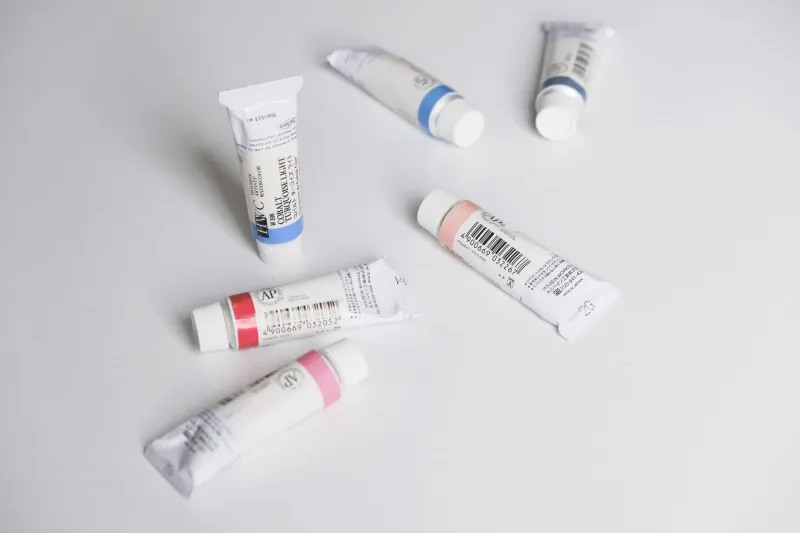
"I spent almost $400 on a beginner's watercolor set because a popular art YouTuber said it was 'the minimum you need to take yourself seriously,'" says Dana, a hobbyist painter from Portland, Oregon. "A year in, I'm mostly using a $12 set of student-grade paints and a couple of brushes I picked up at Michael's. The expensive stuff sits in a drawer."
This isn't an isolated story. Across nearly every hobby we researched, the pattern repeats: beginners over-invest early, then discover that fundamentals matter far more than equipment quality at the start.
Gaming: Controllers, Not Consoles, Are Where Beginners Go Wrong
For people getting into PC or console gaming, the first instinct is often to go big — a high-refresh-rate monitor, a mechanical keyboard, a premium headset. But experienced players say the essentials are a lot more modest.
"You don't need a $150 headset when you're still figuring out if you even like competitive gaming," says Marcus, a semi-competitive FPS player from Austin, Texas. "A $30 pair of earbuds with a clip-on mic does the job fine. Spend on a decent mouse if you're on PC — that actually matters. Everything else can wait."
Realistic PC gaming starter budget: $50–$80 (mouse + basic peripherals), assuming you already have a computer. The monitor upgrade, the RGB keyboard, the ergonomic chair — those are month-six purchases, not day-one ones.
Crafting and Fiber Arts: The Yarn Stash Problem Is Universal
Ask any knitter, crocheter, or embroiderer about their early purchases and you'll get the same sheepish laugh. The yarn stash — a collection of beautiful skeins bought with grand ambitions and no concrete projects — is practically a rite of passage.
"I had $200 worth of yarn before I finished my first scarf," admits Priya, who now runs a small embroidery pattern shop in her spare time. "What I actually needed was one skein, one size of hook, and a YouTube tutorial. That's it."
For embroidery specifically, she recommends a starter kit in the $15–$25 range (most big-box craft stores carry solid options), plus a handful of embroidery hoops. "The $80 'professional' starter sets are mostly just the same stuff with fancier packaging."
Realistic crafting starter budget: $20–$40 for most fiber arts. Scale up only after you've completed two or three projects and know what you actually enjoy making.
Home Fitness: Machines Gather Dust, Resistance Bands Don't
The home fitness category might have the worst beginner-to-regret ratio of any hobby on this list. Treadmills, rowing machines, and Peloton-style bikes are enormous, expensive, and notoriously underused after the first month.
"I bought a $700 elliptical machine after a New Year's resolution," says James, a fitness enthusiast from Chicago. "I used it for three weeks. It's now a very expensive clothes hanger. What I actually use every day? A $25 set of resistance bands and a yoga mat."
Fitness experts and seasoned gym-goers echo this consistently: start with bodyweight and minimal equipment before investing in anything that requires floor space and a payment plan. A quality pair of dumbbells (adjustable sets run $50–$100) and a good mat will take most beginners further than any cardio machine.
Realistic home fitness starter budget: $30–$80. Add equipment only as specific needs emerge — not because a fitness influencer told you it was essential.
Woodworking: The One Category Where Some Upfront Investment Pays Off
Not every hobby rewards the bargain-basement approach. Woodworking is one category where experienced hobbyists generally agree that buying cheap tools upfront costs more in the long run.
"A $15 chisel set will frustrate you into quitting," says Tom, a hobbyist woodworker from rural Tennessee who's been at it for over a decade. "You don't need everything, but what you do buy should be decent quality. A good hand saw, a reliable square, and two or three chisels from a reputable brand — that'll get you through your first dozen projects."
His recommended starter toolkit runs about $150–$200 for hand tools only. Power tools can come later, and used options from Facebook Marketplace or Craigslist are often the smartest buy.
The Universal Rules That Apply to Every Hobby
After all these conversations, a few clear principles emerged that cut across every hobby category:
Rent or borrow before you buy. Many local libraries now offer tool lending programs. Hobby shops sometimes rent equipment. If your friend has the gear, try it first.
Buy used whenever possible for your first round. eBay, Facebook Marketplace, and hobby-specific forums (yes, they still exist and they're great) are full of lightly used beginner gear from people who had the exact same experience you're trying to avoid.
Set a "starter cap" and stick to it. Decide before you open any browser tabs that your initial investment will not exceed a specific dollar amount. Most experienced hobbyists recommend $50–$100 as a reasonable ceiling for the first month in any new hobby.
Give yourself a 90-day rule. If you're still actively engaged after three months, then start thinking about upgrading. Most people who quit a hobby do so within the first six weeks.
The Bottom Line
The best first purchase in any hobby isn't the most expensive one — it's the one that gets you actually doing the thing as fast as possible. Expensive gear doesn't make you better; practice does. The hobbyists who stick around long enough to become genuinely skilled are almost never the ones who went all-in financially on day one.
Start small, stay curious, and save the big splurges for when you actually know what you need. Your future self (and your bank account) will thank you.