When Your Hobby Stops Feeling Fun: Breaking Free from Passion Fatigue
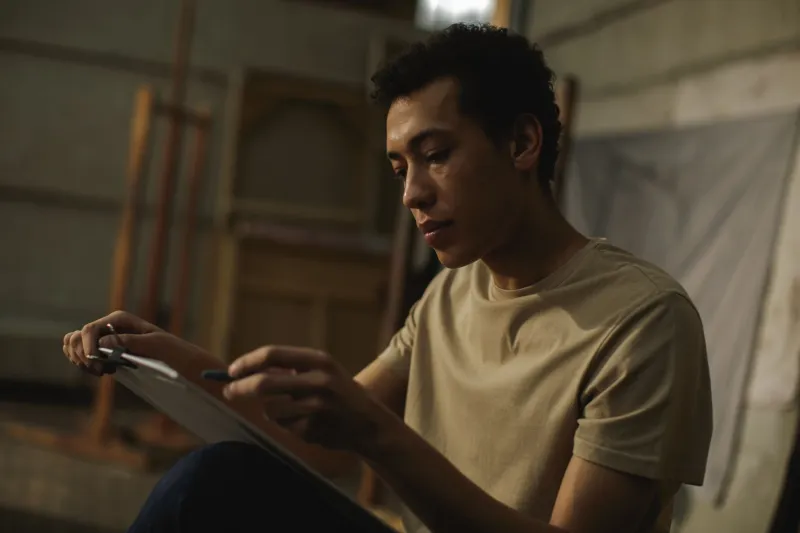
There's a specific kind of guilt that hits when you walk past your neglected pottery wheel or scroll past a notification from your book club group chat. It's not quite laziness, and it's not exactly boredom. It's something more complicated — a weird emotional soup of obligation, pressure, and faint dread toward something you used to genuinely love.
Welcome to hobby burnout. It's more common than you think, and it's quietly stealing joy from people all across the country.
What Hobby Burnout Actually Looks Like
Burnout isn't just for the workplace anymore. Psychologists have started paying closer attention to the way passion projects can become psychological burdens, particularly when external pressures creep in. The telltale signs aren't always obvious at first.
Maybe you used to spend Sunday mornings happily painting watercolors, and now you feel a subtle anxiety every time you look at your supply drawer. Or you've started canceling your weekly D&D sessions without really knowing why. Maybe the hobby that once felt like an escape now just feels like another item on an already overwhelming to-do list.
Jamie, a 34-year-old from Portland who spent years building an intricate model train collection, described it this way: "It crept up on me slowly. I started following all these YouTube channels, trying to keep up with the 'right' techniques. Before I knew it, I was spending more time feeling inadequate about my hobby than actually enjoying it."
That's a story a lot of hobbyists recognize.
The Psychology Behind the Burnout
So why does this happen? A big part of it comes down to something researchers call "intrinsic vs. extrinsic motivation." When you first pick up a hobby, you're usually driven by pure internal curiosity — it feels good, it's interesting, it's yours. But over time, outside forces can gradually shift that motivation.
Social media is a major culprit. Platforms like Instagram and TikTok have turned hobbies into performance art. Suddenly your knitting isn't just knitting — it's content, it's a brand, it's something to be judged by strangers. The moment you start measuring your enjoyment against someone else's highlight reel, the internal spark starts to dim.
Then there's the monetization pressure. The "turn your passion into profit" narrative is everywhere in American culture, and while there's nothing wrong with building a hobby business (we love a good side hustle story here at HobbyHive), the pressure to monetize can strip away the very freedom that made a hobby valuable in the first place.
Marcus, a 28-year-old graphic designer from Atlanta who picked up woodworking as a creative outlet from his screen-heavy day job, hit a wall after friends kept suggesting he sell his pieces on Etsy. "The second I started thinking about it like a business, I stopped enjoying it. I was designing pieces I thought would sell instead of pieces I actually wanted to make. It took me months to reconnect with why I started."
The Comparison Trap
Even without social media or monetization pressure, hobbyists can fall into the comparison trap simply by joining communities — ironically, the same communities that are supposed to be supportive.
Online forums, local clubs, and group chats are genuinely wonderful things. But they can also expose you to people who seem more skilled, more dedicated, or more "serious" about your shared interest. For some people, that's motivating. For others, it quietly undermines their confidence until the hobby feels more like a test they keep failing.
If this resonates, you're definitely not alone. The good news? There are real, practical ways to reset.
How to Rekindle the Spark
Go back to beginner's mind. One of the most powerful things you can do is deliberately return to the basics. Put down the advanced techniques, ignore the YouTube rabbit holes for a while, and just play. If you're a musician, noodle around without any goal. If you're a gardener, plant something just because you think it looks cool, not because it's optimal for your zone. Removing the pressure to improve can immediately lighten the emotional load.
Create a "no output" rule. Give yourself dedicated time with your hobby where there is zero expectation of producing anything shareable, sellable, or even finished. This is for you, full stop. No Instagram stories, no Etsy listings, no showing anyone. Just process.
Take a real break — and don't feel guilty about it. Counterintuitively, one of the best things you can do for a hobby you're burned out on is step away from it entirely for a defined period. Two weeks, a month — whatever feels right. Tell yourself you're allowed to come back to it later. The absence often does more to rekindle interest than forcing yourself to push through.
Change your environment. Jamie eventually solved his model train burnout by moving his setup to a different room and deliberately ignoring online forums for 30 days. "Just changing the physical context helped. It stopped feeling like a project I was failing and started feeling like a place I actually wanted to be."
Find a hobby buddy who's also a beginner. Teaching someone else — or exploring alongside someone newer than you — can completely refresh your perspective. Seeing a hobby through fresh eyes is surprisingly effective at restoring your own sense of wonder.
Protecting the Joy Going Forward
Once you've found your way back to a hobby you love, it's worth being intentional about protecting that relationship. That might mean setting clear limits on how much time you spend in competitive online spaces, or making a personal rule that certain creative pursuits stay off social media entirely.
It also means being honest with yourself about the difference between a productive creative challenge and an obligation that's draining you. Hobbies are supposed to add to your life. The moment they consistently take more than they give, something needs to shift.
The hive is big enough for all kinds of hobbyists — the casual dabbler, the passionate enthusiast, the person who just needs a quiet hour with something they love. There's no wrong way to do this, as long as it still feels like yours.
And if it doesn't feel that way right now? That's okay too. The joy has a way of coming back when you give it a little space.