Bought It, Boxed It, Forgot It: The Real Reason Your Hobby Gear Collects Dust
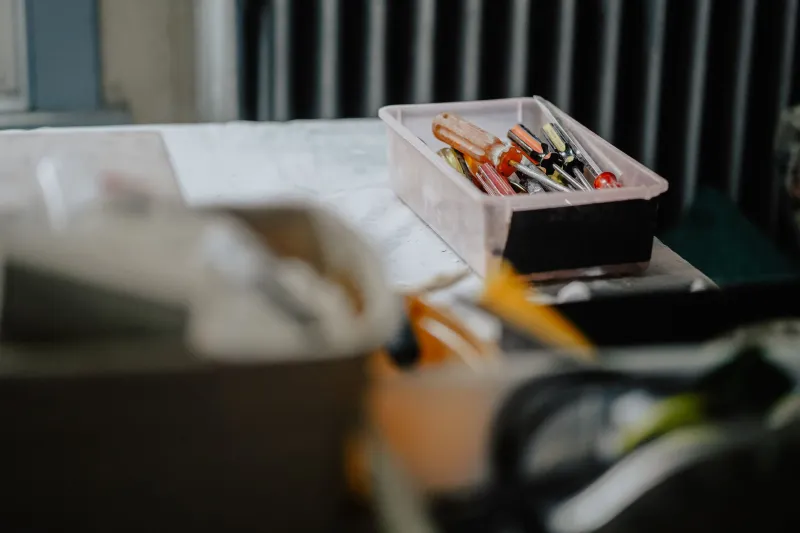
There's a specific kind of guilt that only hobbyists know. It hits you when you open a closet door and see that guitar you swore you'd learn, or when you trip over the espresso machine that was going to make you a home barista. You bought the thing. You meant it. And somehow, it just... sits there.
You're not lazy. You're not a fraud. You're experiencing something so common it practically has its own zip code in the American hobby landscape — and understanding why it happens is the first step to actually doing something about it.
The Purchase Feels Like the Hobby
Here's the uncomfortable truth that hobby psychologists keep circling back to: buying gear triggers the same reward pathways in the brain as doing the hobby itself. Dr. Melissa Hartley, a behavioral psychologist who consults with hobbyist communities, puts it bluntly: "The anticipation of a new skill or experience produces a dopamine response. The purchase scratches that itch — temporarily. Once the box is opened and the novelty fades, the actual work of learning or practicing feels like a separate, harder thing."
In other words, your brain kind of got what it wanted before you ever picked up the thing. The purchase was the event. Everything after is just follow-through, which is famously harder to feel excited about.
This is sometimes called "identity-based buying" — you're not just buying a camera, you're buying the version of yourself that takes beautiful photos. The gear becomes a prop in an imagined future life. That's not a character flaw; it's just how human motivation works. But knowing it can save you a lot of money and a lot of closet space.
The Gear Gap Is Real — And It's Expensive
A 2022 survey by the National Sporting Goods Association found that a significant portion of sports and hobby equipment purchased in the US goes unused within the first year. Anecdotally, hobbyists on forums across Reddit, Discord, and yes, right here in communities like ours, tell the same story over and over: the higher the price tag, the more paralyzing the guilt when the thing doesn't get used.
Marcus T., a woodworker based in Columbus, Ohio, dropped $1,200 on a benchtop planer after watching YouTube tutorials for three straight weekends. "I was so ready," he laughs now. "That planer sat in my garage for eight months before I turned it on. I'd walk past it and feel terrible. It became this symbol of me failing at something I hadn't even really started."
That guilt spiral is its own problem. The worse you feel about not using something, the more avoidance kicks in — and suddenly the unused gear becomes a reason to not engage with the hobby at all, rather than a reason to start.
The Aspiration vs. Commitment Mismatch
There's a useful way to think about this: the distance between where your aspiration lives and where your actual commitment level is. These two things are almost never in the same place when you're new to something — or when you're re-entering a hobby after a break.
Aspiration says: I want to be someone who makes their own sourdough, photographs street scenes at golden hour, and builds furniture by hand.
Commitment asks: How many hours a week am I realistically going to put into this, given everything else in my life right now?
When gear purchases are driven by aspiration alone, they almost always overshoot. The solution isn't to kill the aspiration — it's to let your demonstrated behavior, not your imagined future behavior, guide what you buy and when you buy it.
A Simple Diagnostic Before Your Next Purchase
Before you click "add to cart" on that new piece of gear, run through these questions honestly:
1. Have I already been doing this with what I have? If you're thinking about buying a better camera, have you been shooting regularly with your phone? If you want a stand mixer, have you been baking with a hand mixer? Existing behavior is the best predictor of future behavior. No existing behavior = red flag.
2. What specifically will this gear let me do that I can't do right now? If the answer is vague ("just better results" or "more professional stuff"), that's aspiration talking. If the answer is specific ("I need a wider lens to shoot the indoor events I've been covering for the past six months"), that's genuine need.
3. Am I buying this to start or to continue? Gear that supports an existing, active habit is almost always worth it. Gear that's supposed to create the habit almost never is. Start with what you have, or rent/borrow before you buy.
4. What does the entry-level version of this cost? If you're new to something, the entry-level option is almost always enough. You can't outgrow beginner gear until you're no longer a beginner — and most people never get there if they start with gear that intimidates them anyway.
5. Where will this live in my home? This sounds weirdly practical, but it matters. Gear that's easy to access gets used. Gear that needs to be assembled, hauled out of storage, or set up in a specific way creates friction — and friction kills habits.
What to Do With What You Already Have
If you're reading this surrounded by the evidence of past aspirational purchases, here's the move: don't shame yourself out of the hobby. Instead, get curious.
Pick one unused item. Give it a specific, low-stakes trial run — not "I'm going to finally learn this," but "I'm going to spend 20 minutes with this on Saturday." No goals. No progress metrics. Just contact with the thing.
Sometimes that's enough to reignite something real. Sometimes it confirms that this particular hobby was never actually for you, and that's also useful information. Either way, you've broken the avoidance loop.
For gear that genuinely isn't going to get used, our community has a whole culture around passing things along — local hobby swaps, Facebook Marketplace, specialty forums where your unused stuff becomes someone else's perfect find. Letting it go isn't failure. It's just honest.
Buy Less, Do More
The hobbyists who seem happiest — the ones you see posting consistently, improving visibly, genuinely lit up by what they do — almost never have the fanciest gear. They have enough gear, used a lot.
The camera that goes everywhere beats the camera that stays home. The basic set of woodworking chisels that get used every weekend beats the full tool chest that's waiting for the "right project."
Your next purchase can wait. Your next hour of actual practice can't.
That's the real hobby paradox — and the way out of it is simpler than any piece of gear you could buy.