Letting Go with Grace: The Hobbyist's Guide to Passing Your Gear On
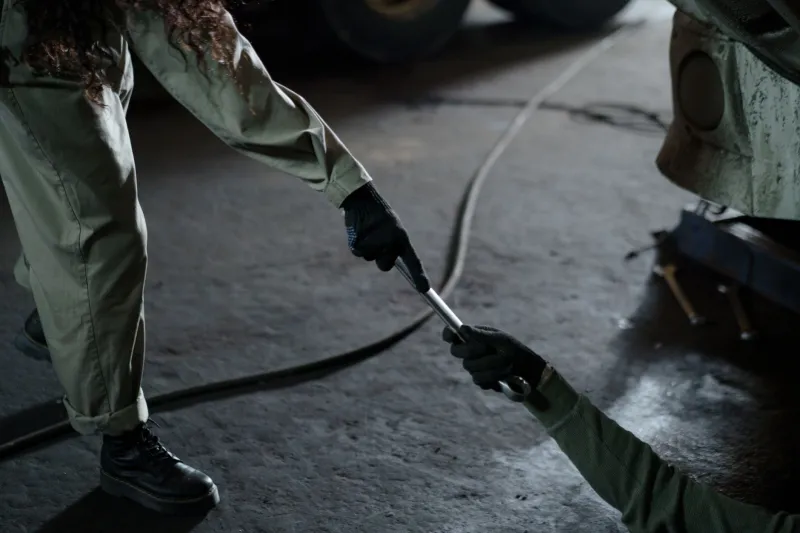
There's a particular kind of guilt that settles in when you realize you haven't touched your watercolor set in eight months, your fly-fishing rod has been leaning against the garage wall since spring, or your model train layout is quietly collecting dust in the basement. You're not a bad hobbyist. You've just moved on — and that's completely okay.
But here's where a lot of people get stuck: what do you do with all of it?
Selling it off piecemeal feels impersonal. Donating blindly feels wasteful. And keeping it "just in case" is how garages become impossible to navigate. The good news? There's a better path — one that respects the time and money you put in, honors the hobby itself, and actually benefits the next person who's just discovering what you once loved.
First, Give Yourself Permission to Let Go
Before any gear changes hands, you've got to get right with the decision emotionally. That's not fluff — it's practical. People who feel guilty or ambivalent about letting go often undersell, over-explain, or hold back the best pieces "just in case." That hesitation usually ends with the same stuff sitting in a corner two years later.
Ask yourself honestly: Have I used this in the past year? Would I feel relieved if this space were clear? If someone else had this, would I feel happy for them or jealous? The last question is the most telling. If the answer is happy for them, you're ready.
Accepting that a hobby chapter has closed doesn't erase what it meant to you. It just means you're making room — for the next person, and maybe for your next thing.
Know What You've Actually Got
Before you start reaching out to anyone, do a proper inventory. This sounds boring, but it genuinely matters. Lay everything out. Check what's in working condition. Note what's vintage or collectible versus what's just used. Look up current resale values on eBay's sold listings, Facebook Marketplace, or hobby-specific forums — not asking prices, but sold prices. That's what things actually go for.
Some gear depreciates fast (entry-level electronics, consumables, anything trend-driven). Other stuff holds value surprisingly well — quality hand tools, vintage cameras, certain collectible miniatures, high-end musical instruments. Knowing the difference helps you make smarter decisions about what to sell, what to donate, and what might genuinely belong in a legacy collection.
Selling to Someone Who'll Actually Use It
The most satisfying route, if you can pull it off, is selling directly to someone who's genuinely excited about the hobby. That might be a newer member of your local club, someone you've been chatting with in an online community, or a friend who's mentioned wanting to get started.
This isn't just feel-good logic — it's practical. Gear sold with context tends to get better care. When you can tell someone, "This is how I maintained it, here's what to watch out for, and here's the tutorial that helped me most," you're not just selling equipment. You're transferring a head start.
Pricing for community sales is worth thinking about carefully. You don't have to give things away — that can actually feel condescending — but pricing with a slight generosity signals goodwill. Think of it as paying forward some of the help you probably got when you started.
Donating to Local Clubs and Schools
Not everything needs to be sold. Some gear is better off donated, especially if it's entry-level, in decent shape, and could genuinely lower the barrier for someone who's money-conscious.
Local hobby clubs are often the best destination. A model railroading club, a community darkroom, a ceramics co-op, a local makerspace — these organizations frequently have members who'd love access to equipment they can't yet afford. Many also run beginner programs where donated gear gets real use instead of sitting in storage.
Schools and youth programs are another strong option, particularly for art supplies, musical instruments, woodworking tools, or anything with a STEM angle. Organizations like the Boys & Girls Clubs of America or community arts centers often accept hobby donations. Some even provide tax receipts if you need documentation for a deduction.
Just call ahead. Show up knowing what you have and its approximate value. Dumping a box of mystery parts on a nonprofit is not the move.
Mentoring as a Form of Handoff
Sometimes the most valuable thing you have isn't the equipment — it's the knowledge. The shortcuts you found, the mistakes you learned from, the suppliers you trust, the techniques that took you years to figure out. That's not nothing. That's actually worth a lot to someone just starting out.
Consider pairing a gear handoff with a mentoring session or two. Walk the new owner through your setup. Let them ask questions. Share the resources that actually helped you — not just the beginner guides, but the intermediate stuff that nobody tells beginners about.
This approach works especially well in craft-based hobbies like bookbinding, leatherworking, or hand-stitching, where technique genuinely separates good results from frustrating ones. It's also great for technical hobbies like amateur radio or telescope-building, where gear without context can feel overwhelming.
You don't have to commit to a long-term mentoring relationship if that's not your thing. Even one solid afternoon of showing someone the ropes is a meaningful contribution.
Building a Legacy Collection
For some hobbyists — especially those who've spent years accumulating meaningful pieces — a full dispersal doesn't feel right. Maybe you've got a run of vintage issues, a set of hand-carved tools, or a collection that tells a coherent story. In cases like that, it's worth thinking about keeping it intact.
Some hobby clubs accept legacy collections as a whole, displaying or archiving them for educational purposes. Local historical societies occasionally take interest in collections tied to regional crafts or industries. And if you've built something genuinely rare, reaching out to a museum curator (even a small, specialized one) is not as far-fetched as it sounds.
The point is to find a home where the collection stays meaningful, rather than getting picked apart and scattered.
The Community Payoff
Here's the thing nobody really talks about: hobbyists who handle their transitions thoughtfully tend to leave communities better than they found them. They introduce new members who are already set up and supported. They create goodwill that ripples outward. They model the kind of generosity that makes hobby spaces actually worth being part of.
At HobbyHive, we talk a lot about what it means to build real community around shared interests. Passing your gear on well is one of the quietest, most underrated ways to do exactly that. It's not a dramatic gesture — it's just a good handoff. And sometimes, that's everything.
So if you're sitting on a hobby you've outgrown, don't let inertia make the decision for you. Figure out what you've got, find the right next home for it, and move on with your head held high. The next chapter is waiting — and so is the person who's going to love what you're leaving behind.