Flying Solo Doesn't Have to Mean Flying Alone: Building Community Around Solitary Hobbies
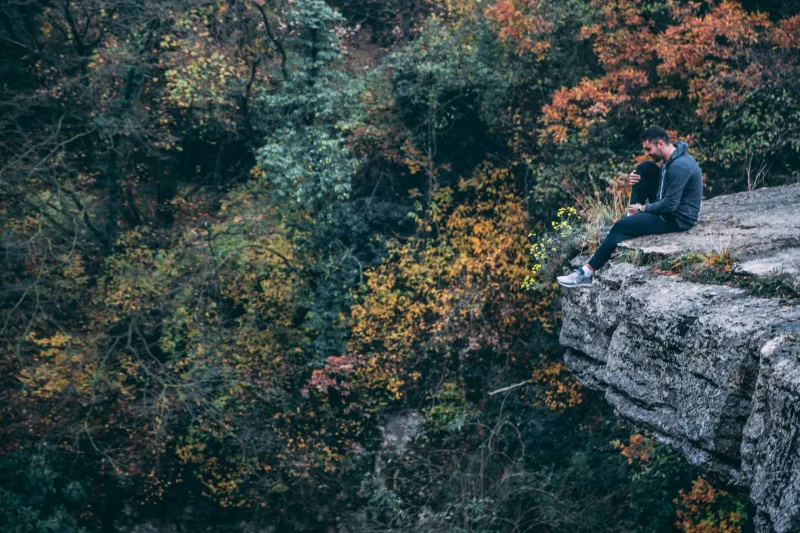
There's a specific kind of loneliness that solo hobbyists know well. It's not the sharp, obvious kind. It's quieter — the feeling you get after finishing a really good solo trail run and having no one to debrief with. The moment you complete a piece of writing you're proud of and realize there's nobody waiting to read it. The collector who finally tracks down a piece they've been hunting for years and sends a text to a friend who responds with a polite thumbs up.
It's the loneliness of doing something you love deeply, in a way that doesn't naturally come with an audience.
And it's more common than most people admit. A 2023 survey from the American Psychological Association found that nearly 30% of American adults report feeling lonely regularly — and hobbyists whose interests are primarily solitary are among the most quietly affected. The irony is real: you picked the hobby because you love doing it alone. You don't want to turn it into a group project. But somewhere along the way, the silence started to feel heavier.
Here's the thing — you don't have to choose between keeping your solo practice and having a community. The two aren't mutually exclusive. They just require a different approach.
Why Solo Hobby Loneliness Hits Different
Group hobbies have community baked in. If you join a recreational soccer league or a pottery class, the social infrastructure is just... there. You show up, you're surrounded by people who get it, and relationships form naturally around the shared activity.
Solo hobbies don't work that way. The activity itself — the solo hike, the late-night writing session, the hours spent cataloging a coin collection — happens in isolation by design. The solitude is often part of the appeal. So when you feel the pull toward connection, it can feel almost contradictory, like wanting company at a meditation retreat.
But what solo hobbyists are actually craving isn't company during the hobby. It's community around it. There's a meaningful difference, and recognizing it is the first step toward fixing the problem.
The Debrief Model: Connecting After, Not During
Think about how runners relate to each other. Solo running is one of the most solitary activities you can do — headphones in, your own pace, your own route, your own internal monologue. But running culture is incredibly communal. The community happens in the parking lot before a race, on Strava segments, in the post-run coffee ritual at a local shop.
The activity stays solo. The community wraps around it.
This is the debrief model, and it works for almost any solitary pursuit. Writers who attend open mic nights aren't writing together — they're sharing what they made alone. Solo hikers who join trail clubs aren't hiking in a pack — they're comparing notes, swapping beta on conditions, and talking about gear around a trailhead. Collectors who attend swap meets aren't collecting together — they're celebrating the hunt alongside people who understand why it matters.
If your solo hobby feels isolating, the question isn't "how do I make this a group activity?" It's "where do people like me gather to talk about this thing we all do alone?"
Digital Spaces That Actually Work
For a lot of solo hobbyists, especially those in smaller towns or areas without obvious local scenes, online community is the most accessible option — and it's gotten genuinely good.
Subreddits dedicated to niche solo pursuits are among the most active and supportive corners of the internet. r/ultralight for solo backpackers, r/fountainpens for collectors and writing enthusiasts, r/worldbuilding for solo fiction writers — these aren't just Q&A boards. They're places where people share progress, celebrate wins, and commiserate over setbacks with people who actually understand the context.
Discord servers have become especially valuable for solo hobbyists because they replicate the casual, ambient feel of being around people without requiring scheduled interaction. You can pop into a server for solo coders or tabletop miniature painters and just exist in a space with other people who share your interest, even if you're not actively chatting.
The key is specificity. Generic hobby groups tend to feel impersonal. The more niche the community, the stronger the sense of genuine connection — because everyone there is there for exactly the same reason you are.
Local Tactics That Don't Require Compromising Your Solo Practice
Online community is great, but there's something irreplaceable about local, in-person connection — especially for solo hobbyists who spend most of their time in their own heads.
Library and bookstore programs are underrated meeting grounds for writers, readers, and solo learners of all kinds. Even if you're not interested in a formal writing group, attending author readings or craft workshops puts you in a room with people who share your sensibility.
Specialty retailers — the local running store, the independent record shop, the camera store that still exists somehow — are natural gathering points. Regulars develop relationships. Staff become connectors. Showing up consistently is often enough.
Meetup.com still works, and it's worth checking for your specific interest even if you've written it off. Solo hiking groups, journaling circles, and collector meetups are more common than you'd expect, and the barrier to starting your own group if one doesn't exist is genuinely low.
Post your work somewhere visible. This one sounds simple but it's transformative. A solo writer who starts posting short pieces on a local community board, a photographer who shares prints at a local coffee shop, a woodworker who posts finished pieces to a neighborhood Facebook group — these acts of visibility invite connection without requiring it. People come to you.
The Hybrid Approach: Structured Solitude with Social Bookends
Some of the most satisfied solo hobbyists have landed on a hybrid rhythm that preserves the integrity of their solo practice while building in intentional connection points.
For example: a solo hiker who spends every Saturday on the trail alone, but attends a monthly trail club meeting where members share photos and route recommendations. Or a writer who keeps a strict no-feedback, solo drafting process but participates in an online community where finished work gets shared and celebrated.
The structure matters here. If social interaction is left entirely to chance, solo hobbyists — who often tend toward introversion — tend to default to more isolation over time. Building in predictable, low-stakes connection points keeps the social muscle from atrophying without turning the hobby into something it's not.
You're Not the Only One Doing This Alone
There's a small but real comfort in recognizing how many people are doing exactly what you're doing, in exactly the same kind of quiet. The solo hiker on the next ridge. The writer in the coffee shop two tables over. The collector cataloging acquisitions at midnight while everyone else in the house is asleep.
You're all out there, doing your solo thing, probably wishing there was someone who just got it.
The community exists. It's just waiting for someone to build the bridge — and more often than not, that someone is you.